



English Browser translation is not available on this local page.
YUNFEI HU.

ACADEMIC PORTFOLIO

Industrial Design · Master · 2024-2026

Eindhoven University of Technology

Portrait of Yunfei Hu
English Browser translation is not available on this local page.
DribbbleEmailLinkedin

PI&V

Hi! I'm Yunfei Hu, a UX designer and researcher born in China, currently based in Eindhoven, the Netherlands. I position myself as a designer who seeks to enhance everyday happiness through playful and meaningful details. By shifting perspectives and empathizing with users, I explore not only how people behave, but also the underlying motivations behind their actions.


Vision (What)

"Design should lead — before the problem grows, before the system is built."

My journey in design began with learning to create compelling forms, narratives, and experiences. But across my projects — in rehabilitation, education, digital behavior, and emotional well-being — I kept finding myself unsatisfied with design that only looked good. I wanted it to actually change something.

This led me to ask: what does useful design mean? Looking back at my work, I noticed a recurring pattern. In each project, the difficulty was already there — unavoidable. A child with cerebral palsy must do rehabilitation. A student faces graduation pressure regardless of how they feel. A family managing homework tension cannot simply opt out. The question was never whether to face these situations. It was how to make them feel less like a burden and more like something worth engaging with. My instinct became: if you cannot remove the difficulty, can you at least make it easier to go through?

Over time, though, my practice drew me to a different question. Beyond making hard situations more bearable, how might design prevent them from escalating in the first place? Rather than arriving after the problem has grown, design can create conditions that support people earlier — when small actions still matter and the threshold for engagement is still low. My current focus on AI-enabled emotional well-being comes from this shift: exploring how everyday interactions with AI can help people notice what they are feeling, understand what they need, and act before difficulties accumulate.

And through working in product teams, I have come to believe that this is only possible when design is involved in building the system from the beginning — not called in at the visual finish line. Compared to lengthy technical development, design can iterate quickly, explore problems, and give a team a shared picture of what they are building toward. Design should run ahead, connecting user needs, product vision, and business goals — drawing out the shared target clearly enough that the whole team can work toward it together.


My UX Manifesto (How)

To me, UX is not only about making products easier to use. It is about making meaningful actions easier to take. Therefore, I believe UX design should be:

Embedded in Everyday Life

The most impactful interventions fit naturally into existing routines rather than demanding additional effort. If a design requires people to step outside their life to engage with it, it will be set aside.

Supporting Agency

Design should heighten people's awareness of their own state and needs, and make the choices available to them visible and reachable. Every step forward should be driven by inner motivation — not by external pressure or obligation.

Lowering Barriers

Technology should always serve people, not replace them. We design with and for technology to reduce the emotional, cognitive, and practical effort required to engage with behaviors that genuinely benefit someone's life.

Building on these principles, my next step is to work within cross-disciplinary teams — building shared understanding of user needs, product direction, and business goals together.


Professional Identity (Who)

"Experience for design, design for experience."

As a designer, I see my role as identifying these hidden barriers and transforming them into opportunities for support. Through research, systems thinking, and human-centered design, I aim to create experiences that make positive actions more approachable, sustainable, and accessible.

I am an observer: I approach users, observe events, experience life, and reflect on experiences. This process of deep empathy shapes my individuality as a designer beyond fundamental design thinking. My work seeks to uncover subtle and often unheard perspectives from individuals, deconstruct the problems behind them, and reconstruct new experiences. I believe that good communication — often ignored — is the foundation of mutual understanding and a source of unexpected inspiration and creativity.

I am a collaborator: Design is collaboration among creators. Working with others offers me valuable opportunities to exchange perspectives — not only from diverse professional backgrounds, but also from personal stories that enrich the design process. Design is also collaboration with society and users. Experiences rooted in local cultures and ways of thinking can generate specific contributions to larger, global goals.

I am a connector: my goal is to help bridge roles within a team and build a shared understanding of how a product best serves users. By visualizing concepts and developing prototypes, I integrate stakeholder perspectives and help align the team toward a shared direction.
Expertise Areas.


User & Society (U&S)

User & Society has been the expertise area most consistently developed across my master's projects. Understanding why people behave as they do has driven my research choices, leading me to prioritize methods that surface implicit motivations over those that simply confirm assumptions.

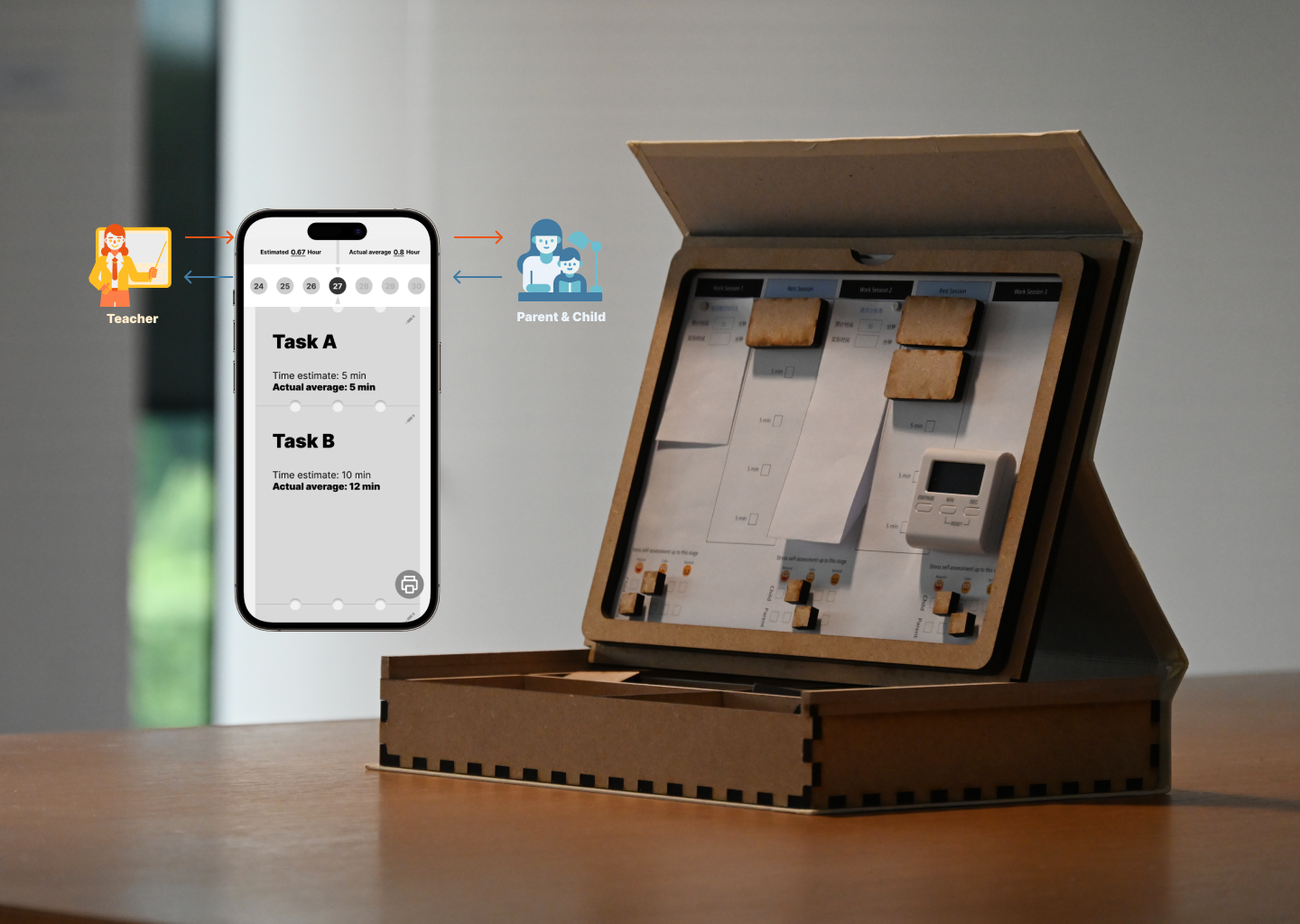
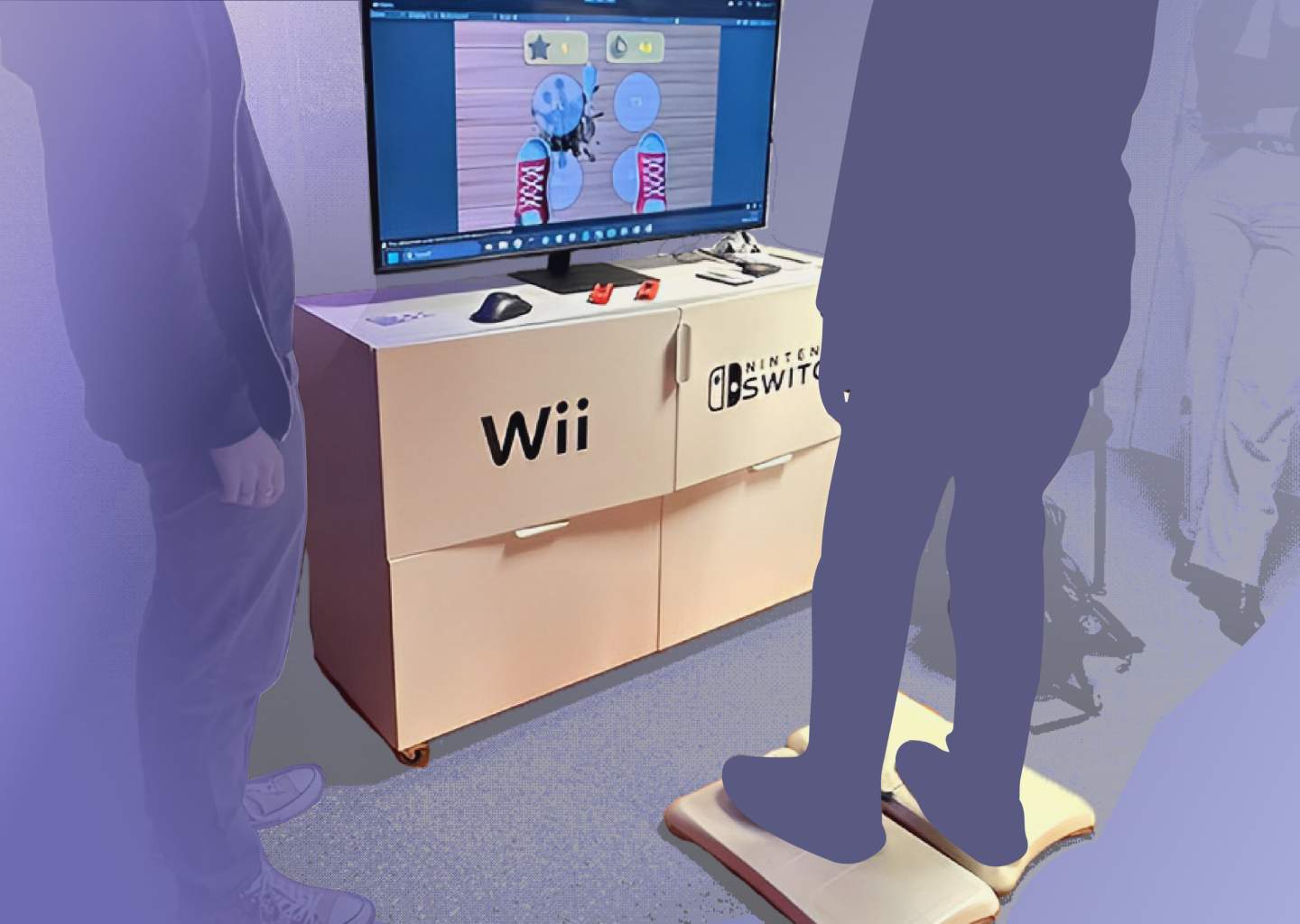
Across projects in rehabilitation, education, and AI-supported well-being, I moved from contextual observation toward more structured research designs: field observation (Balance Stompers), co-constructing stories and Wizard of Oz tests (TacoTask), scale-based comparisons (Hola M2.1), and within-subjects evaluations with thematic analysis (Hola FMP). I increasingly learned to choose methods according to design stage and the kind of knowledge needed.

In TacoTask, expert feedback reframed the concept away from monitoring-based design, while in Hola M2.1, it reshaped personalization toward more carefully bounded dimensions.

What I want to experience next is how user research works in industry, where iteration moves faster and research must serve ongoing product decisions more directly than in academic settings.


Technology & Realization (T&R)

Technology & Realization supports my role as a designer who bridges user insights, product direction, and development decisions. A central part of this practice has been translating research insights into readable design artifacts such as personas, user journeys, interaction flows, and high-fidelity prototypes, then using those artifacts both as research instruments and as shared references for teams.

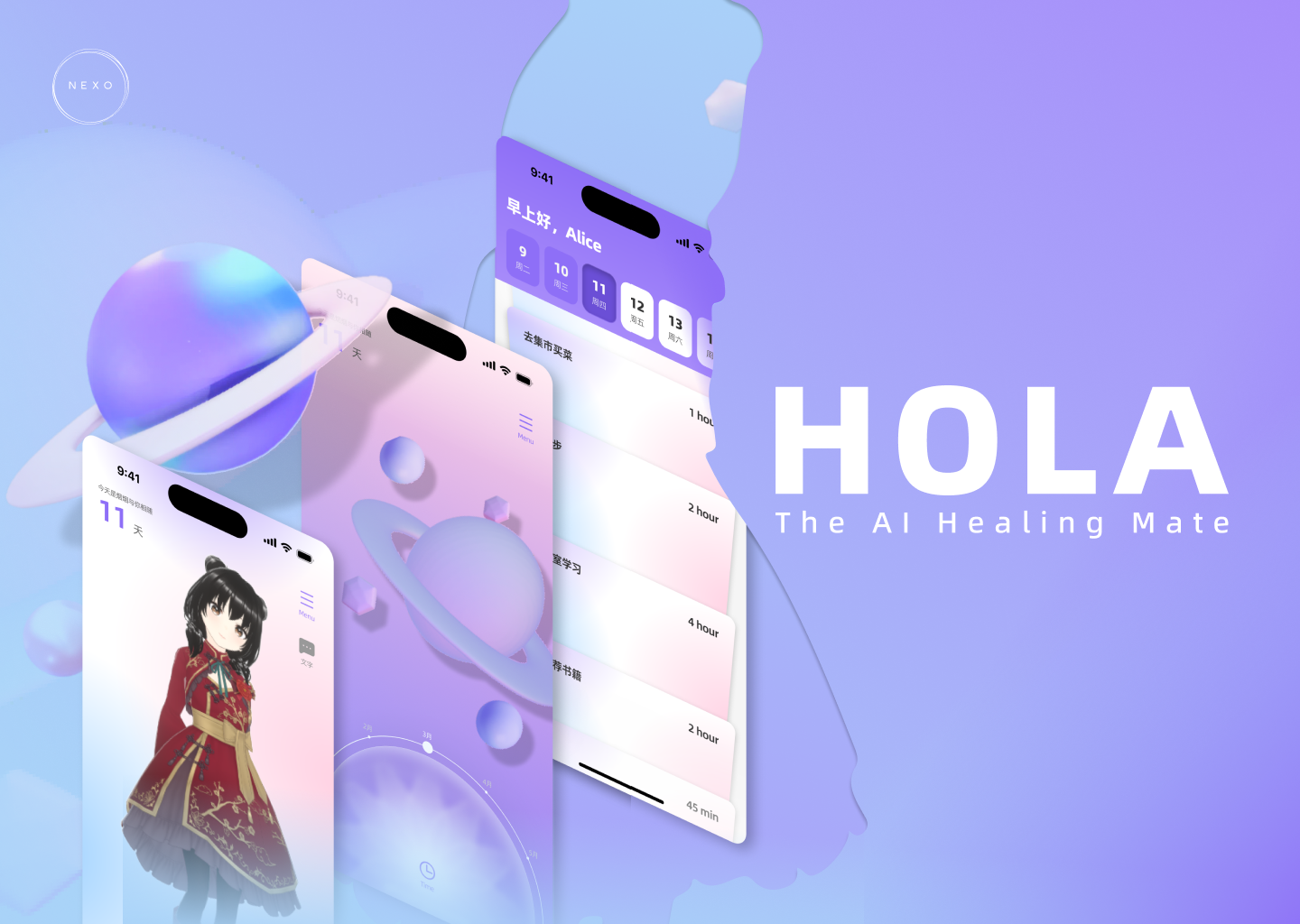
To achieve this, Figma has been my main realization medium, especially in mobile product-oriented projects such as Hola, where prototypes supported expert review, user testing, and development communication. I also explored Wizard of Oz testing, probe development, and lightweight web coding, which allowed me to prototype behaviors before full implementation was possible.

In Hola, I noticed a gap between intended design and front-end outcome. My next step is to realize interface designs more directly in front-end environments, so less quality is lost when interfaces are rebuilt during development.


Math, Data & Computing (MDC)

Math, Data & Computing has played four distinct roles across my projects: as a source of design inspiration, as research data collected from users and environments, as the logic underlying research instruments, and as a compass for steering design direction.

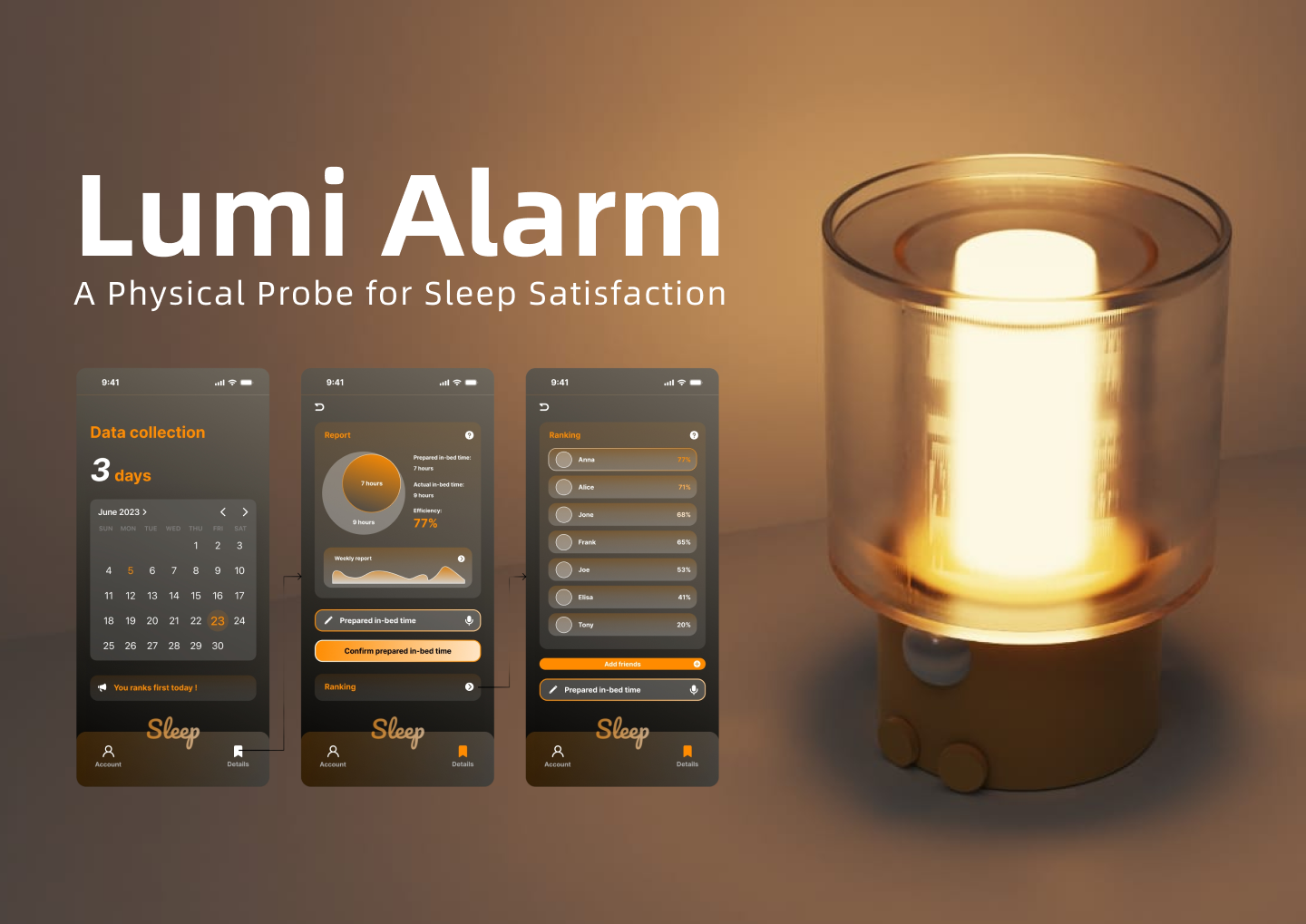
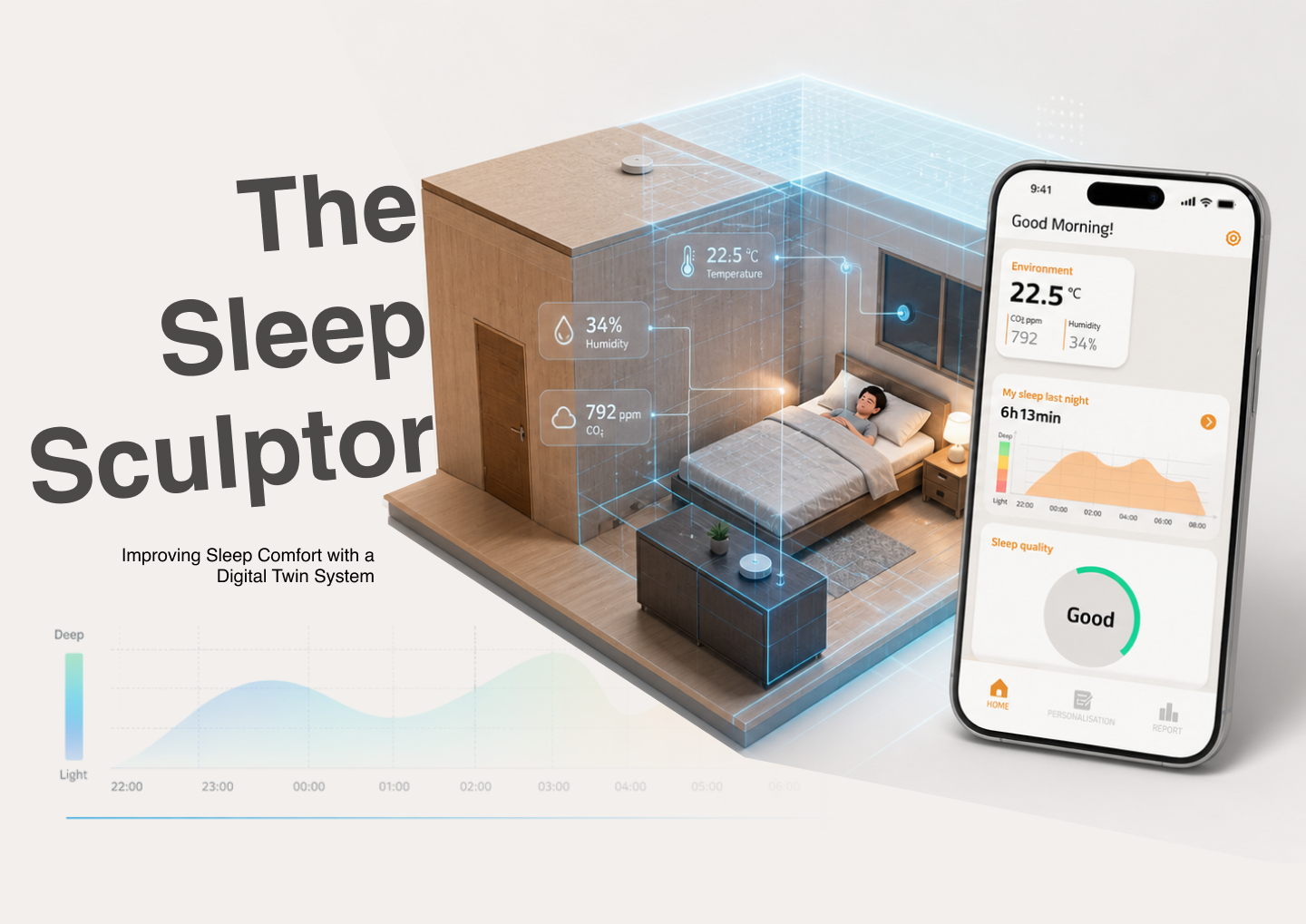
For example, in Hola FMP, the Ebbinghaus forgetting curve provided both the computational model for memory scheduling and the conceptual frame for the interaction design, translating a mathematical principle into a five-level user-facing control mechanism. In Hola and LumiAlarm, I applied and interpreted scales, diary entries, sensor data, and interview responses. Also the thematic analysis, as a systematic method for structuring qualitative data, has also been central to deriving design implications from user feedback. Across projects, data has consistently redirected design direction rather than simply confirming it.

What I want to strengthen is greater independence in selecting and applying statistical methods.


Creativity & Aesthetics (C&A)

Creativity & Aesthetics in my work is not only about visual style, but about shaping how an experience is understood and felt before it is explained.

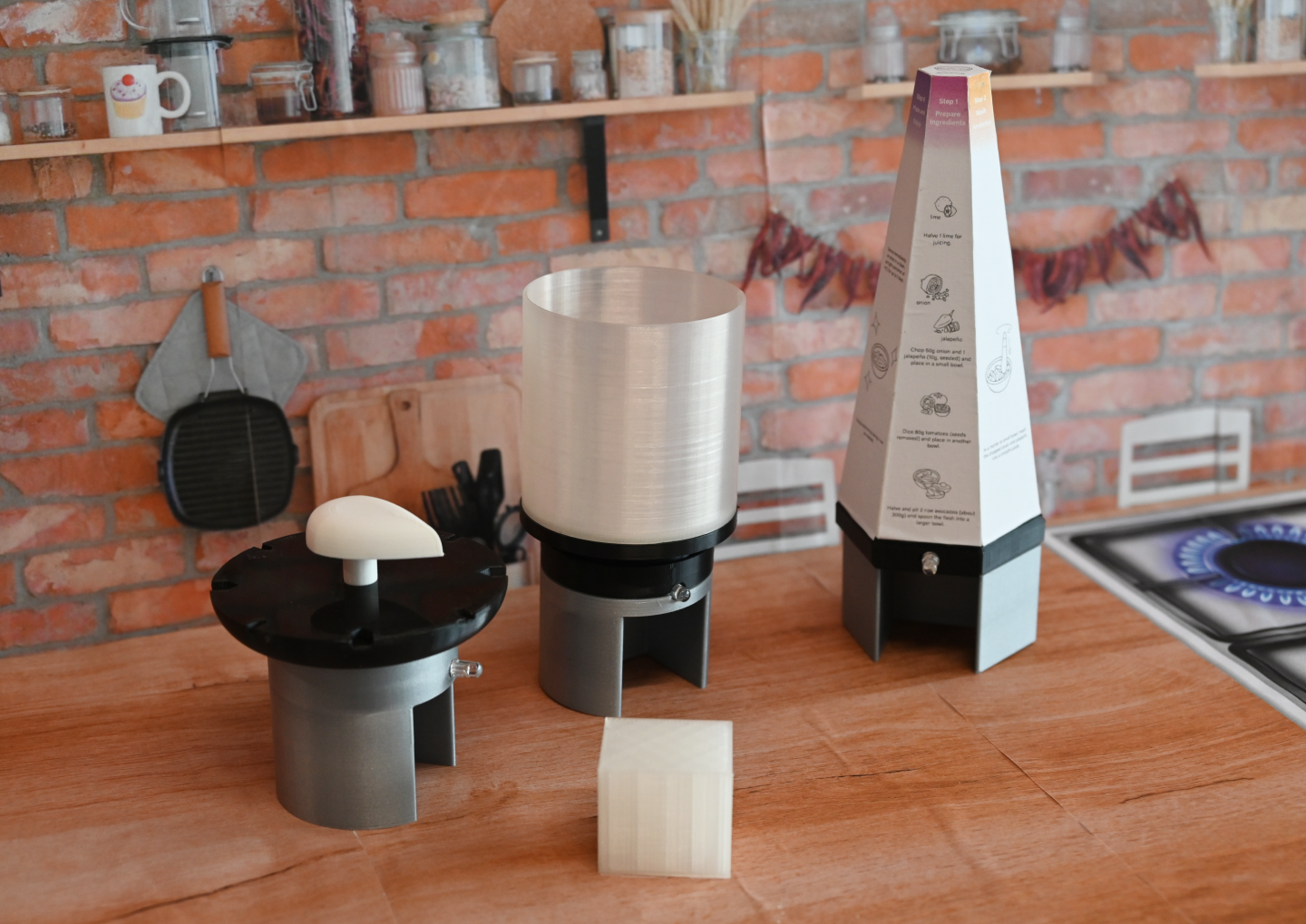
My aesthetic decisions are grounded in users' age, context, and the emotional qualities a product should convey. In Hola, these informed a low-saturation, high-brightness interface with rounded forms and a 2.5D avatar. In TacoTask, paper-strip length made time graspable for children rather than abstract numbers.

Meanwhile, I have also learned that aesthetic choices must convey positive values and avoid negative impacts: in Balance Stompers, a realistic cockroach-stomping concept was replaced after feedback suggested it felt too violent for children.

What I still want to strengthen is a more systematic way of judging visual decisions, instead of relying mainly on precedent, references, or my own accumulated experience.


Business & Entrepreneurship (B&E)

Business & Entrepreneurship has not been my strongest expertise area, but it has become increasingly important in how I position design within product development.

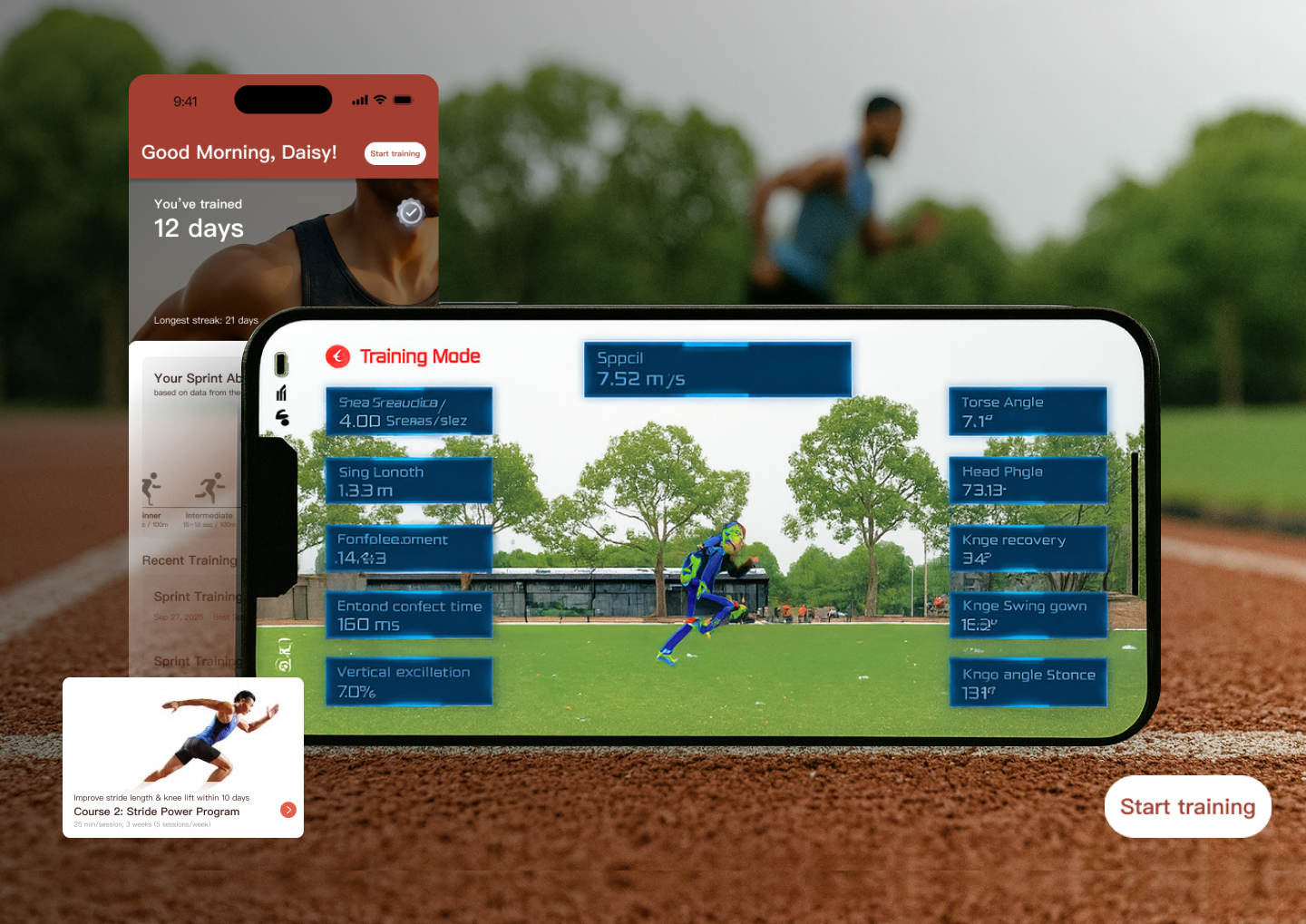
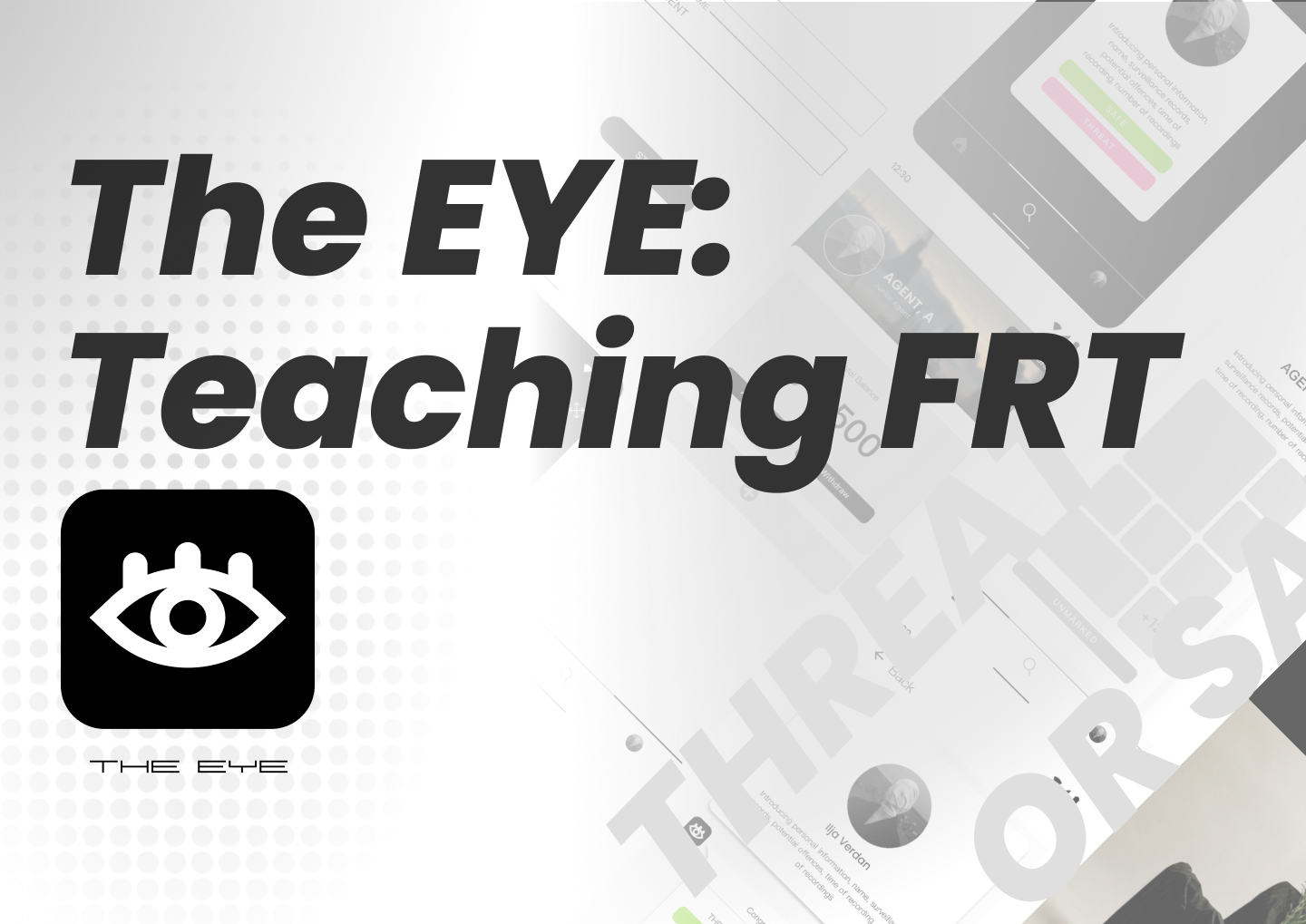
The most direct application came through AI Athletes, where I applied the Behaviour Change Wheel, COM-B analysis, and Business Model Growth Map to develop a commercial strategy. This included interviews with athletes and coaches, competitive analysis of the Dutch sports market, and a reframed value proposition around individual users' accessibility barriers. Identifying privacy risks around video recording, and proposing usage controls as a design response, showed how B&E intersects with product trust decisions.

In Hola, the Business Model Growth Map aligned design research direction with the startup's commercial priorities, helping position UX research as something that should inform feature sequencing rather than follow it.

Strengthening this area is important to my next stage, as working toward systems that connect user needs, product direction, and social impact requires a stronger B&E perspective.

Development.

Over the past two years, I have come to see design not only as a way to produce solutions, but also as a low-cost, flexible means of discovering problems, building shared visions, and exploring the unknown. I value reflective iteration because many critical insights and meaningful design experiences emerge not from constant execution, but from regularly stepping back and reinterpreting what the process reveals.

In the next few years, I hope to work in product contexts related to AI, health, or education, deepening my experience in user research, experience design, and prototyping. Over time, I want to grow from interface-centered work toward broader system-level design, contributing to product direction and cross-stakeholder alignment, and ultimately to more integrated systems that connect user needs, product goals, and social wellbeing.

Wechat

Wechat QR code

blueowl_fifi